_1778073011082-Vs2hAdkC.png)
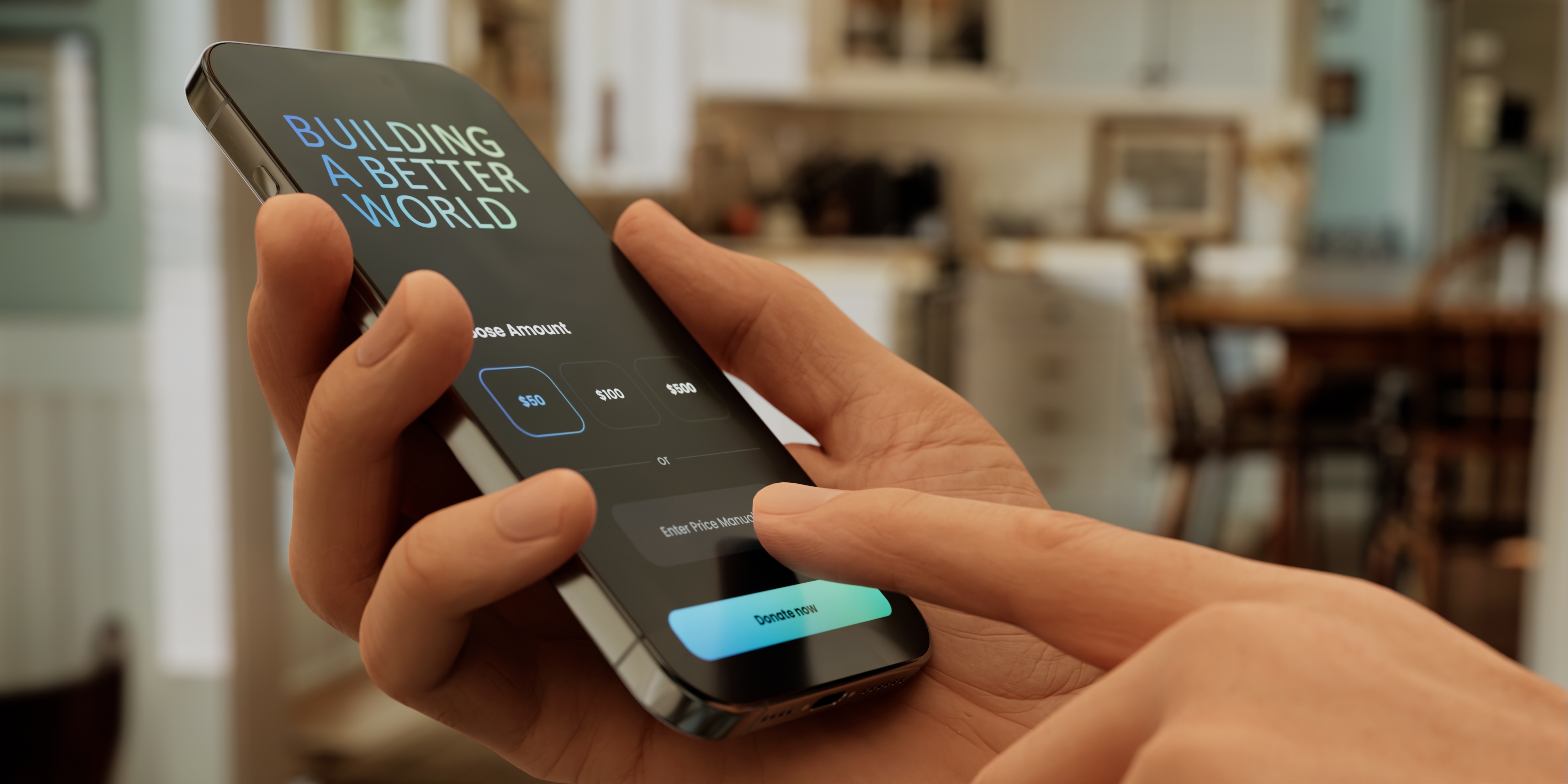
The employee ownership platform changing how businesses change hands in 2026
A new generation of employee ownership platform is making transitions accessible to businesses that might never have thought they were within reach - reducing cost, complexity, and time, while helping to improve outcomes for owners and employees alike.
There's a moment in many employee ownership conversations where someone asks: "so what does this actually involve?" And the answer, until recently, was often "a lot." Months of specialist advisory work. Up to and over six-figure fees. A process that felt inaccessible unless you had a significant budget and a team of professional advisers already lined up. That's starting to change and a new generation of employee ownership platform is a big part of why.
Why the traditional route felt out of reach
Employee Ownership has grown at a remarkable pace, particularly the EOT model, in the UK, has grown 1,640% in total business count, with 560 transitions completed in 2024 alone. That momentum tells one story. But behind those numbers is another one: for every business that made it through the process, there were others that looked at the complexity and the cost and quietly walked away.
The traditional route to employee ownership involved instructing multiple sets of advisers, legal, financial, tax, each billing independently, often without a clear line of sight to the total cost until the process was well underway. For an owner who cared deeply about their legacy and wanted to do right by their people, that uncertainty wasn't just expensive. It was discouraging.
What a purpose-built platform actually does differently
An employee ownership platform works differently from the ground up. Rather than stitching together advice from multiple parties, the process is structured, guided and digitised so the business owner and the incoming employee-owners are moving through a clear pathway together, not navigating a maze of moving parts. The practical effect is significant:
Documentation generated and iterated in a fraction of the time compared to commissioning multiple advisers
Key milestones visible to all parties throughout the transition - no hidden surprises
Costs known earlier - no unexpected billing as the process unfolds
AI-guided support available 24/7, adapting to where each party is in the journey
Owner and incoming leadership team move through the same guided pathway together
Our platform was built with this in mind.
Traditional advisory vs. a purpose-built platform: a comparison
Cost - Traditional advisory: combined adviser fees of £50,000–£150,000+. Platform route (e.g. Valloop): accessible subscription model, costs known upfront.
Timeline - Traditional route: 12–24 months typical. Platform route: months, not years, for businesses that are ready.
Transparency - Traditional: multiple parties, separate billing, limited shared visibility. Platform: all parties on the same guided pathway.
Access - Traditional: requires significant upfront budget before knowing the total cost. Platform: start for free, upgrade when ready.
Support - Traditional: advice available during office hours. Platform: AI-guided support available around the clock.
The real value isn't just speed
It would be easy to focus on time and cost savings, they're real and they matter. But the deeper value of a well-built employee ownership platform is what it makes possible for the people involved.
For a retiring owner, it means being able to actually complete the transition you always intended, without watching fees erode the value of what you've built. For a management team stepping into ownership, it means understanding the process, not just being handed documents to sign. There's a clarity to it that changes the emotional experience of the transition for everyone.
Research consistently finds that businesses that transition to employee ownership see meaningful improvements in engagement, satisfaction and performance. Quantuma's research found 73% of businesses that transitioned to employee ownership reported an increase in employee job satisfaction, and 57% reported profits increasing since becoming employee-owned. That's not a coincidence. When people genuinely own what they're working in, something shifts.
A different kind of succession
More than half of business owners plan to sell part or all of their shareholdings over the next decade. That's a lot of businesses, a lot of employees, and a lot of potential legacies at stake. The question isn't whether these transitions will happen, it's how.
An employee ownership platform makes it more accessible for businesses that might never have thought it was within reach. And that, quietly, is a rather significant thing.
References
- 1.EOA / WREOC, UK Employee Ownership Business Register, May 2025 (EOA-WREOC-2025)
- 2.Quantuma / K3 Tax Advisory, Employee Ownership Trusts: Steady Increase in Employee Ownership, 2024 (QUANTUMA-EOT-STATS)
- 3.Ownership at Work, Generation EO: The Great Employee Ownership Succession Opportunity, 2023 (OWN-AT-WORK-SUCCESSION)